Six communities, one key message
Published: October 2026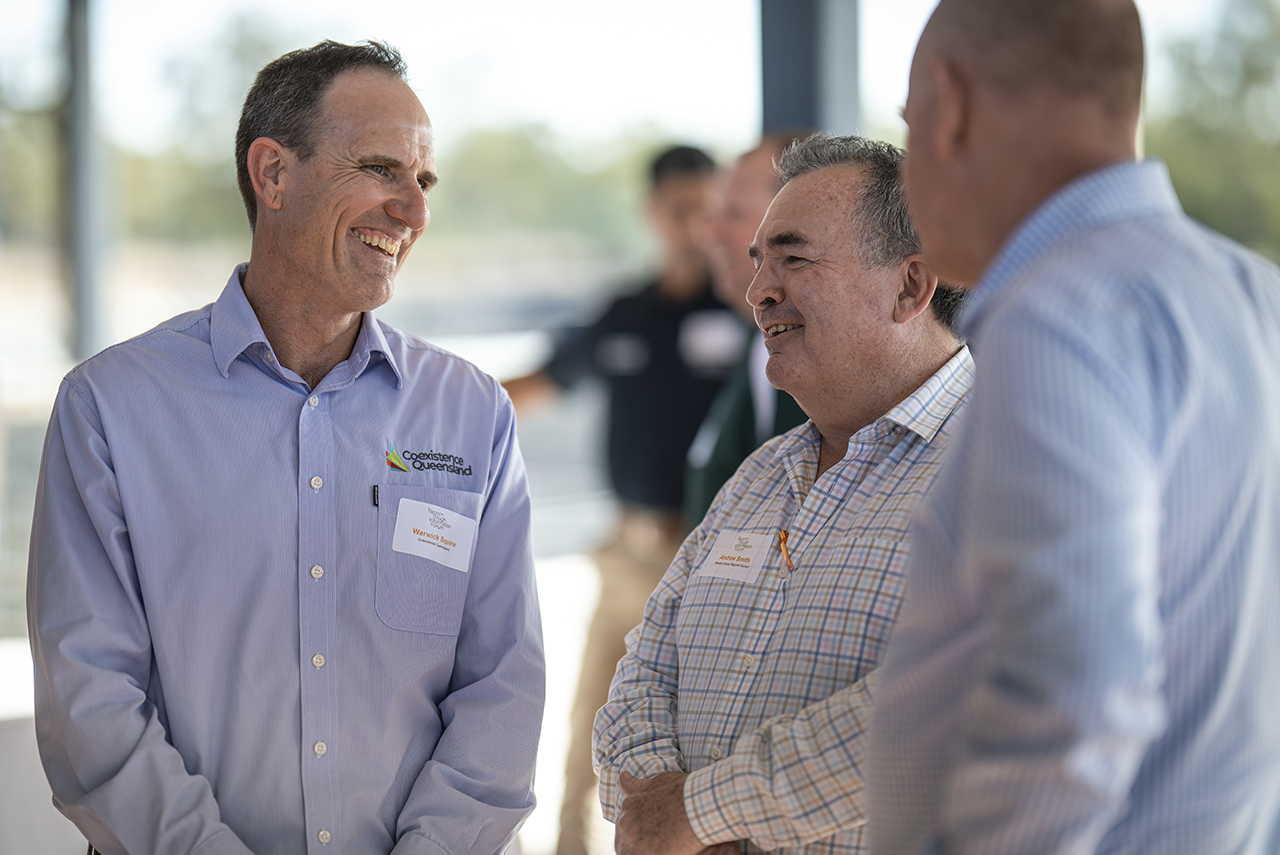
By Warwick Squire, Coexistence Queensland CEO and Land Access Ombudsman
Over the past few months, I’ve been privileged to spend time with the Coexistence Queensland and Land Access Ombudsman teams in communities across Queensland, from Gladstone and Rockhampton to Kingaroy, Inglewood, Surat, Condamine and Cloncurry.
Every region is uniquely shaped by its people, economic and social fabric and the current and future developments, pressures and opportunities, yet one simple message continues to come back to me in conversation and that is how: communication remains at the heart of successful coexistence.
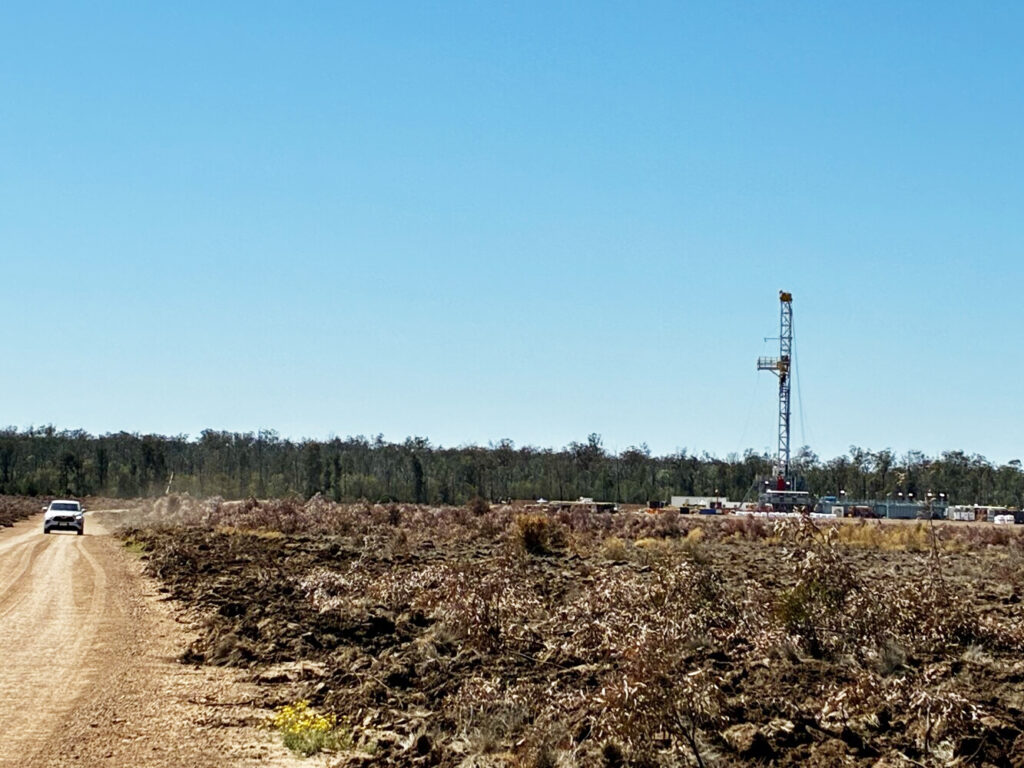
As Queensland’s resources and energy sectors continue to evolve, development profiles across regional Queensland have never been more complex. Many landholders and communities are working alongside multiple operators and managing various agreements, while industry is delivering increasingly complex projects across diverse operating environments.
Despite that complexity, the conversations we have often return to the simple principle: communicate early, communicate often, and communicate honestly.
Communication starts with trust and trust starts with communication
Across regional Queensland, we regularly hear that trust is built through actions rather than words. Returning phone calls in a timely manner. Keeping people informed regularly, even when not a lot is happening. Following through on commitments made. Having difficult conversations early rather than waiting for problems to emerge.
In the bush, a handshake means as much as a signature and honouring these unwritten protocols is critical.
That doesn’t diminish the importance of agreements, approvals or formal processes. Rather, it reflects the value communities place on integrity and reliability. People remember whether commitments were honoured, whether communication was genuine and whether all parties approached the relationship in good faith.
When trust is established, conversations become easier. When communication breaks down, even small issues can quickly become larger ones.
Recognising that landholders are running businesses too
Good communication also starts with understanding the realities of the people and businesses you are working with.
One of the strongest messages we’ve heard from landholders is that their property is more than a project area on a map. It’s a business, a workplace, a livelihood and a home. Successful coexistence requires a business-to-business approach to partnership.
These are multimillion-dollar enterprises supplying domestic and international markets, managing staff, contractors, compliance obligations and seasonal pressures. They are businesses making important operational and financial decisions every day.
One landholder recently put it simply:
“We get busy too. We have obligations too.”
It’s a reminder that effective engagement starts with understanding and respecting the realities people are managing. A phone call, meeting request or request for access may be one item on a project schedule, but it is often arriving in the middle of a busy operational period for the landholder.
The most productive relationships are often those where all parties recognise they are working with people who are trying to run successful businesses, meet their obligations, plan for the future and make informed decisions.
Keeping the conversation going
Whether the discussion involves renewable energy, mining or gas development, the feedback we hear is remarkably consistent:
- People value clear information
- They value having a clear point of contact when questions arise
- And they value being kept informed
Good communication won’t remove every challenge, but it often prevents misunderstandings, reduces conflict and helps maintain productive relationships over the life of a project.
Supporting successful coexistence
The conversations we’re having also reinforce the importance of trusted information, practical support and clear pathways for resolving issues when they arise.
For Coexistence Queensland, that means helping landholders, communities and industry access independent information and better understand their options.
For the Land Access Ombudsman, it means helping parties work through issues constructively, whether through facilitation, mediation, investigation or dispute resolution.
While every situation is different, the objective is often the same: helping people navigate challenges early, build productive relationships and achieve positive outcomes that leave a lasting legacy for landholders, industry and the communities in which they operate.